



 (902)442-8853
 CALL US
 EMAIL US
Sydney Rear-End Accident Lawyers
Rear-end collisions are common on roads in Sydney, Nova Scotia, but their consequences are not always minor. The sudden force of impact can cause injuries that affect your health, work and everyday life.
If you have been injured in a rear-end accident, you may be dealing with medical expenses, missed work and uncertainty about your recovery. At NOVA Injury Law, we help individuals and families in Sydney understand their legal options and pursue compensation when another party is responsible. Our goal is to handle the legal side of your injury so you can focus on getting your recovery.
What Makes Rear-End Collisions More Complicated Than They Seem?
A rear-end collision happens when one vehicle strikes another from behind. These accidents often occur when traffic slows suddenly, drivers follow too closely or someone fails to notice a stopped vehicle. Although the damage to a vehicle may appear minor, the force transferred during a collision can still cause significant injuries. The sudden movement of the head, neck and back can strain muscles and ligaments or aggravate existing conditions.
Some common injuries include:
- Whiplash
- Concussions
- Soft-tissue injuries
- Shoulder and back injuries
Who Is Responsible for a Rear-End Accident in Nova Scotia?
In many rear-end collisions, the driver who strikes the vehicle ahead is presumed to be responsible. Drivers are expected to maintain a safe following distance, pay attention to traffic and leave enough room to stop when necessary. However, fault is not automatically assigned based on the position of the vehicles – the circumstances of the collision matter.
In Nova Scotia, responsibility for a rear-end collision generally depends on whether a driver failed to take reasonable care and whether their actions caused or contributed to the accident. Factors such as following distance, speed, traffic and road conditions, and the actions of each driver may all be considered when determining fault.
What if both drivers share responsibility?
It is possible for more than one driver to be found partly responsible for an accident. If you contributed to the collision, this does not necessarily mean you cannot pursue compensation. Your potential recovery may be affected by your share of responsibility.
Determining liability requires a careful review of the available information, including the accident circumstances, photographs, witness accounts and vehicle damage. If an insurer disputes responsibility, speaking with a personal injury lawyer can help you understand your options.
Understanding Insurance Benefits After a Rear-End Collision
After a rear-end accident in Nova Scotia, there may be more than one part of the insurance process to consider. Understanding the difference between accident benefits and a personal injury claim can help you make informed decisions.
Section B Accident Benefits
Nova Scotia automobile insurance policies include Section B accident benefits. These benefits may help cover certain expenses following a motor vehicle accident, regardless of who caused the collision.
Depending on your circumstances and policy coverage, Section B may provide benefits for:
- Medical and rehabilitation expenses, including eligible treatment costs.
- Certain lost-income benefits if your injuries prevent you from working.
- Other eligible expenses covered under the policy.
In some circumstances, you may be able to access these benefits while recovering, even if you are still determining whether you have grounds for a lawsuit. Section B claims have separate notice and proof requirements, so notice should be provided to your insurer as soon as reasonably possible.
Personal Injury Claims Against an At-Fault Driver
Section B benefits are different from a personal injury lawsuit. If another driver’s negligence caused your injuries, you may also have grounds to pursue compensation for your broader losses. A personal injury claim may include damages for pain and suffering, income loss, reduced future earning capacity and ongoing care needs. Nova Scotia limits pain-and-suffering compensation for injuries that legally qualify as minor injuries. The cap depends on the year of the accident.
Insurance claims can involve paperwork, medical documentation and questions about the treatment you require. If you are unsure what benefits may be available or whether you have grounds for a separate claim, our team can help explain your options.
How Insurance Companies Evaluate Rear-End Accident Claims
After a collision, you will generally need to notify your insurance provider and provide information about what happened. The other driver’s insurer may also investigate the accident if you are pursuing a personal injury claim.
During this process, insurance companies may review:
- How the collision happened: Accident reports, photographs, witness statements and vehicle damage can help establish responsibility.
- The nature of your injuries: Medical records and treatment assessments help demonstrate the injuries caused or aggravated by the accident.
- Your recovery: The length of recovery, ongoing symptoms and recommended treatment may affect the assessment of your claim.
- Financial losses: Employment records, income documents and receipts can help establish the financial impact of your injuries.
- Future needs: Medical opinions and other expert evidence may help assess whether you require ongoing treatment or assistance.
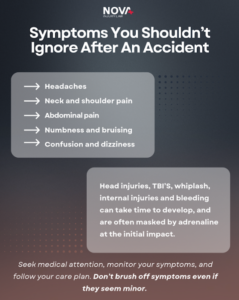
One concern after a rear-end accident is settling a claim before the full extent of your injuries is understood. Some symptoms take time to develop, and others may become more difficult to manage as you return to normal activities.
An early settlement may not account for future treatment, ongoing income loss or other long-term consequences. Before accepting an offer, it is important to understand what losses it covers and whether you are giving up the right to seek further compensation.
Every case is different, so the value of a claim should be assessed based on the individual circumstances and available evidence.
What Can Affect the Value of Your Rear-End Accident Claim?
There is no standard settlement amount for a rear-end collision. Two people involved in similar accidents may experience very different injuries and financial consequences.
For example, one person may recover from whiplash after a few weeks, while another may experience persistent neck pain that affects their ability to work. The compensation available will depend on the evidence and the overall impact of the injuries.
Some important considerations include:
- The severity and duration of your injuries: More serious injuries or symptoms that continue over a longer period may result in greater losses.
- Your ability to work: If you cannot return to your previous position, have reduced hours or lose future earning opportunities, these financial losses may form part of your claim.
- The effect on everyday activities: Difficulties driving, caring for children, completing household tasks or participating in recreational activities may be relevant when assessing pain and suffering and other losses.
- Your future medical needs: If you require continued treatment, rehabilitation or assistance, the reasonable cost of these needs may be included in your claim.
- Responsibility for the accident: If you share some responsibility for the collision, this may reduce the compensation you can recover.
Protecting Your Rights After a Rear-End Collision
The steps you take after an accident can affect both your recovery and your ability to pursue compensation. While every situation is different, there are several practical things you can do.
- Prioritize your health: Seek medical attention as soon as possible and explain all symptoms, even if they seem minor. Follow your healthcare provider’s recommendations and attend follow-up appointments.
- Keep a record of the accident: If it is safe, photograph the vehicles, damage and surrounding road conditions. Exchange contact and insurance information with the other drivers and obtain witness details where possible.
- Notify your insurer: Report the collision according to your policy requirement.
- Keep track of your recovery: Save medical records, treatment receipts and employment documents. You may also find it helpful to record changes in your symptoms and daily activities.
- Be careful when discussing your injuries: Insurance adjusters may request recorded statements or medical information. Make sure you understand what you are providing and why before agreeing.
- Get legal advice when needed: If you have significant injuries, disputed liability or concerns about an insurance settlement, speaking with a lawyer can help clarify your options.
In Nova Scotia, many personal injury claims are subject to a two-year limitation period from the date the claim is discovered. Different deadlines and exceptions may apply, so it is important not to delay getting advice about your circumstances.
How NOVA Injury Law Can Help With Your Rear-End Accident Claim
Managing an injury claim can involve several different parties, including insurance adjusters, medical providers and rehabilitation professionals. Trying to coordinate everything while recovering can add unnecessary stress. At NOVA Injury Law, we help injured individuals navigate the legal and insurance processes following motor vehicle accidents.
Our team can assist with:
- Reviewing the circumstances of your collision and assessing potential liability.
- Gathering medical, employment and other supporting documentation.
- Explaining available insurance benefits and potential compensation.
- Communicating and negotiating with insurance providers.
- Assessing the full extent of your losses, including future needs.
- Pursuing legal action when a fair resolution cannot be reached.
With Dr. Laura Mitchell, NOVA Injury Law’s physician, our clients’ cases benefit from medical insight alongside dedicated legal representation. This combination helps us better understand accident-related injuries, assess their impact and build evidence-based claims.
We aim to make the legal process easier to understand by providing clear guidance and personal attention throughout your claim.
Speak With Our Sydney Rear-End Accident Lawyers
At NOVA Injury Law, we offer an initial consultation to discuss your circumstances and potential claim, free of charge. If we accept your case on a contingency fee basis, you do not pay legal fees upfront. Instead, fees are payable only if compensation is recovered. Our goal is to reduce the stress of pursuing a claim while helping you understand your rights and options.
Our team is available 24/7 by phone – call (902) 702-3042 or complete our online contact form to get started.


